I thought getting a placement meant winning. I was wrong.

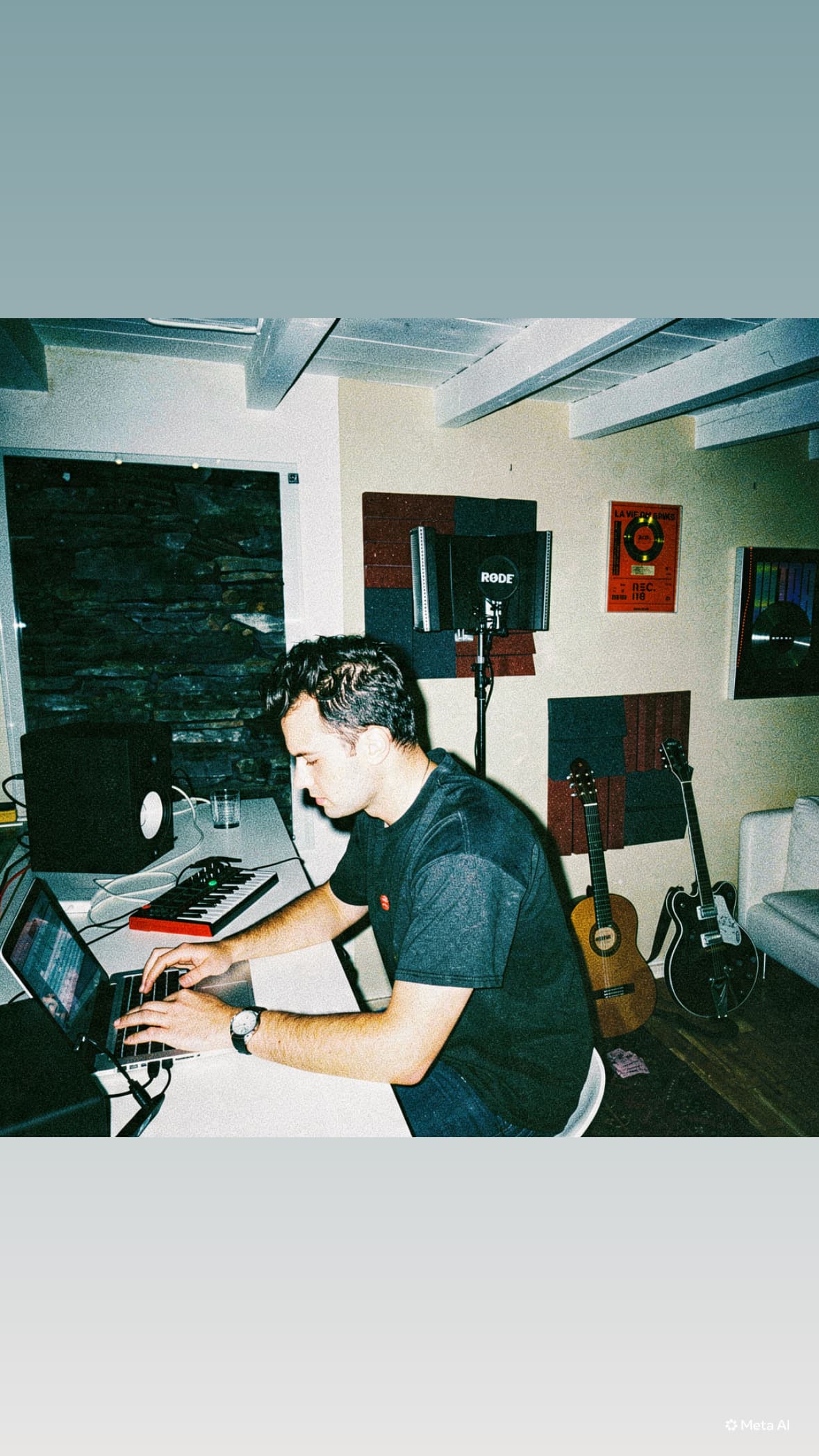
In early 2021, my guitar ended up on a track with Ninho, SCH and Soprano. A melody I had recorded in my bedroom, on my phone. Back then, I thought that was what success meant: an artist choosing my music.
Then that same guitar ended up on another track, in Puerto Rico.
Once the track is released, what can you still do with what you created?
1 guitar, 2 tracks
I spent so long recording this guitar that I almost never exported it. That is why I called it “Battlefield”.
In La vie du Binks, it comes in within the first few seconds, before the vocals. Then I looked at the credits: my name was missing. I went back to RDS, the producer I had worked with. He contacted the team, and the credit was corrected.
Being heard and being credited are two different things.
My guitar was already in the track. My name still had to be added.
Later, people who knew my work told me about a guitar in another track. I listened. The key had changed, and so had the tempo, but I recognised my idea. It was the remix of Hundreds, with Arcángel and De La Ghetto.
What stayed with me was that I had not created a new guitar part for that second track. It was the one I had recorded in my bedroom.
What I had contributed to the track
My contribution came down to three things: composing the melody, playing the guitar and recording that part. Others had contributed the drums, vocals and their production work.
A track brings together several contributions. Understanding what you brought to it is the starting point for discussing your role and the conditions for using your work.
With the producers, I wanted to clarify one thing: did they want to be the only ones using this guitar recording, or could I also offer it to other artists?
I understand needing to get paid now. I have also accepted things without understanding my value. But before saying yes, I want to understand what that agreement still allows me to do afterwards.
- Composition: the melody I wrote.
- Recording: the guitar take I played in my bedroom.
Someone can replay the same melody without using my audio file.
If you are a producer, imagine starting with this guitar, adding your drums and sending the production to an artist. You have your own work to be recognised, as well as another creator’s contribution whose conditions of use you need to understand.
3 questions before your next agreement
I. What did you create?
Take a collaboration you are working on. Write down what you actually did: composed the melody, played an instrument, recorded a part, added the drums. Also note the elements contributed by others: a guitar, a vocal, a sample. You will know what comes from you and what needs to be clarified with your collaborators.
Before asking how you will be credited, specify what you did. Composing a melody, playing a guitar and recording a part are contributions that need to be named.
II. What does the other person want to use?
Is it the complete track, your guitar recording or the melody someone wants to replay? If an artist asks for an exclusive production, check what you can offer them, including your collaborators’ elements. The word “exclusive” does not replace that discussion.
When you talk about exclusivity, specify what you mean: the complete track, your recording or your melody. Without that distinction, you may think you agree while talking about different things.
III. What do you want to be able to do afterwards?
I offered my guitars to several producers. If you sell instrumentals on your website, the question is just as concrete: after this agreement, will you still be able to offer them to other people who come to listen? That needs to be clarified before you accept.
The artist’s name tells you who you are working with. It does not tell you what you are accepting. Before saying yes, understand what you will still be able to do with your contribution.
I shared this vision with the partners who developed Water. Today, I offer my guitars there as a creator, under the Royalty Fair framework.
If you use one of my guitars in your production, the question is therefore not only whether it sounds good. You also need to understand what the licence accompanying that file allows you to do, and when an additional agreement becomes necessary.
Before the next placement
Choose one collaboration you are working on and answer these three questions. If an answer is missing, that is what you need to clarify with the other person before giving your agreement.
I am still proud of La vie du Binks. But seeing the same guitar reappear in Hundreds changed how I looked at a placement: it was not the end of that guitar’s story. It was a way in.
You can sell your beats, negotiate a fee and set your conditions from the start. This Royalty Fair template lets you specify what you authorise, retain the rights to your contribution and pass these conditions along with your music. A common framework for collaborating without starting from scratch every time.
If the track meets the major exploitation conditions set out in the licence, an additional agreement must define your remuneration for the composition and recording, according to the rights you hold. Generate your template, fill in the work concerned and have your partners accept the terms.